
Using a double-row conveyor makes it easier to adjust chain misalignment, reducing labor costs.
Locking Device
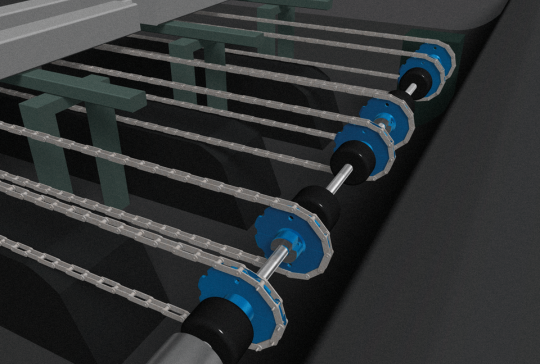
overview
In a conveyor system that uses multiple conveyor chains arranged in parallel for transport, Power-Lock has been adopted for the fastening of the shaft and sprocket.
By adopting Power-Lock, it has become easier to adjust the mounting angle of the sprocket without being restricted by the keyway position, and it has become easier to adjust the chain's positional shift due to wear and stretching.
Problem
In double-row conveyors, it is crucial that the positions of the chains and attachments in each row are aligned, as multiple rows of conveyor chains support the conveyed goods. However, over time, wear and stretching caused variations in alignment.
If there are variations in the positioning of the chains and attachments, the timing of contact between the attachments in each row and the conveyed material will be different, making stable conveyance impossible.
Therefore, a configuration that allows for easy adjustment on-site in case of chain misalignment was required.
However, with key fastening, the mounting angle of the sprocket is constrained by the keyway position, making it difficult to fine-tune positional shifts caused by chain stretch.
Adopted products
Locking Device

This is a type of friction fastener that easily, powerfully, and reliably fastens a shaft and boss without backlash.
Because it is fastened by friction using the wedge principle, there is no need to use keys or set screws; the shaft and hub can be fastened simply by tightening the bolt, and removal is also easy.
The lineup includes steel, stainless steel, and coated materials, making it suitable for use in a variety of situations.
Benefits of adopting the product
By adopting Power-Lock, the sprocket can now be adjusted to any angle and fixed to the shaft without being restricted by the keyway position.
This design allows for adjustments to be made on-site, as the sprocket position can be changed simply by loosening the tightening mechanism, even if differences in chain wear and elongation occur during operation, causing the attachment to shift position.
Tsubaki will do its utmost to support you in solving any problems you may have.
Please feel free to contact us with any concerns you may have.
Click here for details on the adopted products
Click here for consultation
Solution Case Study in the same industry
-
The pallet lifting device eliminates hydraulic pressure and significantly reduces design and assembly man-hours.
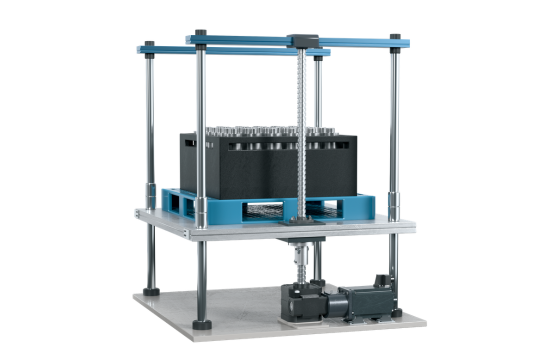 ProblemHigh speed and high frequency, Quit air/hydraulicIndustryOtherPurposeMove linearlyproductLinear Actuator
-
Eliminate oil leaks and the risk of workplace accidents by removing hydraulic pressure from cable durability testing machines
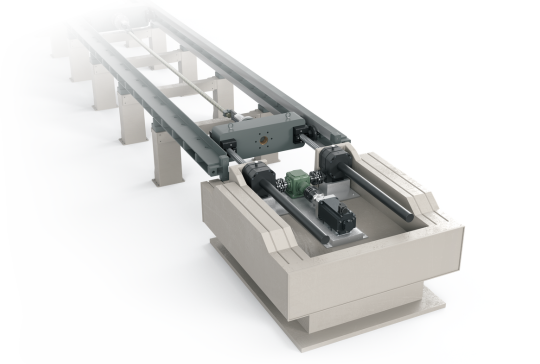 ProblemHigh speed and high frequency, Quit air/hydraulicIndustryOtherPurposeMove linearlyproductLinear Actuator
-
The outdoor transmission section uses an environment-resistant Drive chain, achieving both rust resistance and high strength.
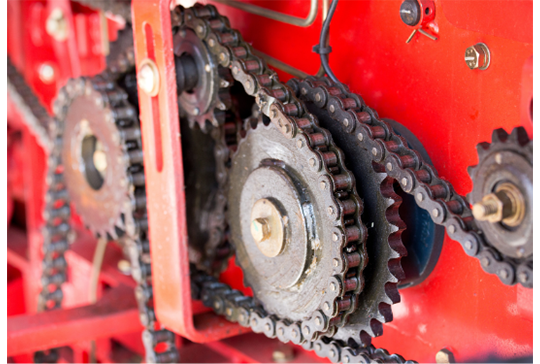 ProblemMaintenance, lifespanIndustryOtherPurposeTransmit powerproductDrive chain
-
Waterproof and corrosion-resistant electric cylinders ensure stable operation even in wet environments
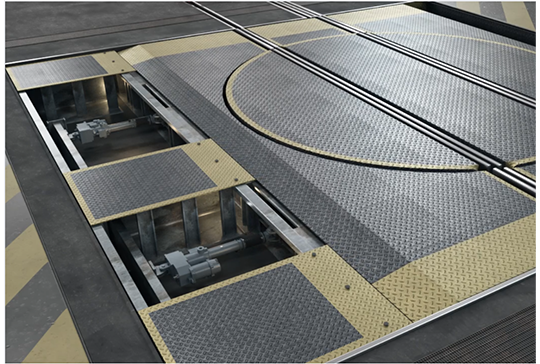 ProblemQuit air/hydraulic, corrosion, water exposureIndustryOtherPurposeMove linearlyproductLinear Actuator
-
Resolves tooth skipping and gear damage in kiln chain rotation mechanisms
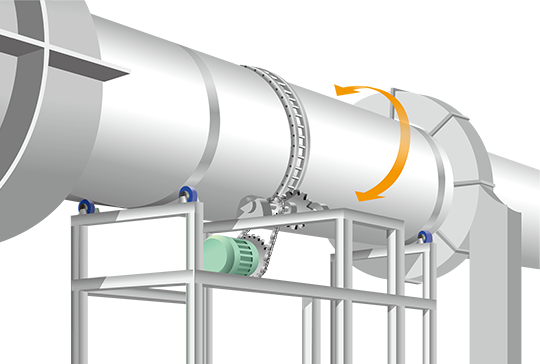 ProblemSlippageIndustryOtherPurposeRotate and decelerateproductPin gear drive
-
Solves the problem of slippage inherent in tire-friction-driven drum rotation
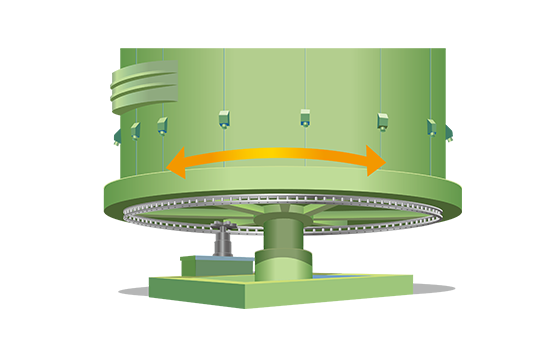 ProblemSlippageIndustryOtherPurposeRotate and decelerateproductPin gear drive
-
The drum rotation mechanism solves the problem of crushed powder clogging the mechanism.
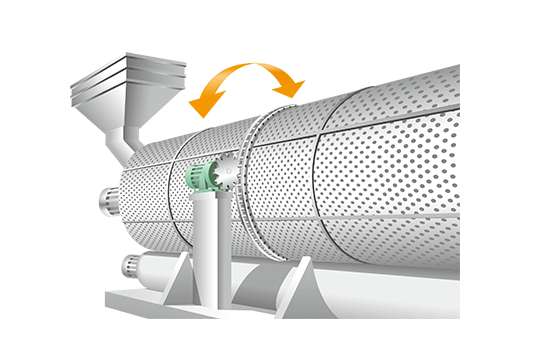 ProblemOtherIndustryOtherPurposeRotate and decelerateproductPin gear drive
-
Successfully improved tilt of the lift table by using a cantilever and reduced maintenance
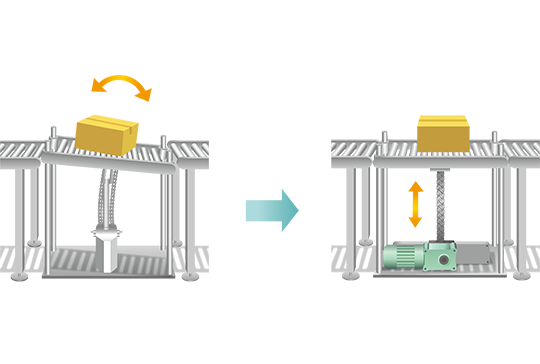 ProblemmaintenanceIndustryOtherPurposeMove linearlyproductLinear Actuator
Solution Case Study for the same problem
-
Significantly reduces the man-hours required for designing and examining solar panel tilting and erection mechanisms
 ProblemReduced man-hoursIndustrybatteryPurposeRotate and decelerateproductPin gear drive
-
Adopted for automatic rotation of the material loading table, contributing to significant reduction in labor costs
 ProblemReduced man-hoursIndustryAutomotive industryPurposeRotate and decelerateproductPin gear drive
-
Achieving a simple and accurate AGV table rotation mechanism
 ProblemReduced man-hoursIndustryRobots, AGVs, and industrial vehiclesPurposeRotate and decelerateproductPin gear drive
-
The drum rotation mechanism has been simplified, significantly reducing installation time.
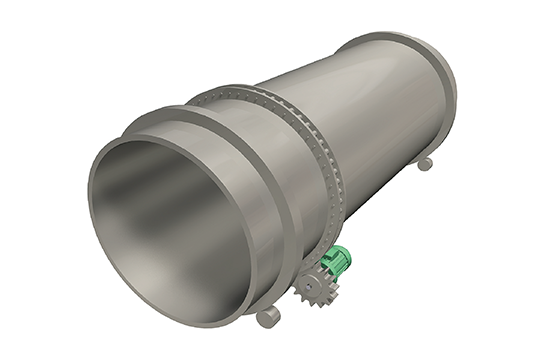 ProblemReduced man-hours, ensuring safetyIndustryFood/BeveragePurposeRotate and decelerateproductPin gear drive
-
Eliminates disconnections in various cables for building board robots, eliminating the need for replacement
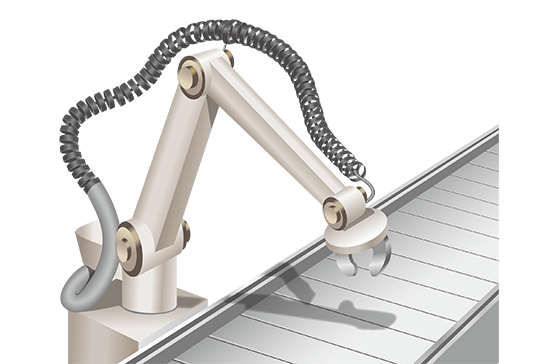 ProblemReduced man-hours, broken wiresIndustryResidential and OfficePurposeSupport and guideproductCable Carrier (CABLEVEYOR)
-
Lifting mechanism bulk selection service significantly reduces procurement time.
 ProblemMan-hour reduction, etc.IndustryEnergyPurposeMove linearlyproductReducers, couplings, linear actuator
-
Successfully improved tilt of the lift table by using a cantilever and reduced maintenance
ProblemmaintenanceIndustryOtherPurposeMove linearlyproductLinear Actuator -
The low-floor lifter enables automatic lifting to low shelves as well as high shelves.
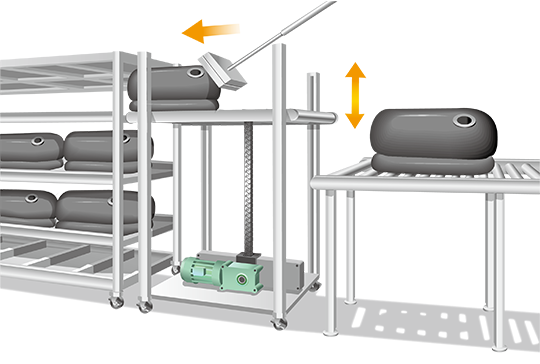 ProblemReduced man-hours, ensuring safetyIndustryAutomotive industryPurposeMove linearlyproductLinear Actuator