
Space-saving and compact, it reliably protects the wiring of collaborative robots
Cable Carrier (CABLEVEYOR) Plastic Series 3D TKRB Type ROBOTRAX
overview
Collaborative robots often require a relatively small amount of wiring, so conventional 3D cable carriers can be overkill.
Additionally, the cable needed to remain stable even during sudden acceleration and deceleration.
By adopting the small size of ROBOTRAX, we have achieved compactness while ensuring sufficient strength.
The built-in wire structure provides stable tracking and space-saving wiring protection, contributing to improved device reliability.
Problem
Collaborative robots often have less external wiring than industrial robots, so conventional 3D cable carriers can sometimes seem overkill.
Additionally, if the central structure is insufficient, there is a risk of the link not being able to hold its position, so the cable needs to be able to follow movements stably even during sudden acceleration and deceleration.
Therefore, a space-saving, easy-to-use Cable Carrier (CABLEVEYOR) with sufficient strength was required.
Adopted products
Cable Carrier (CABLEVEYOR) Plastic Series 3D TKRB Type ROBOTRAX
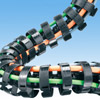
Cable Carrier (CABLEVEYOR) body can be bent in three dimensions.
The lineup includes links with a minimum outer diameter of 31mm, allowing installation on small arms and in tight spaces, ensuring wiring flexibility and freedom of handling.
Built-in wire provides high tensile strength, allowing for reliable operation even under sudden acceleration and deceleration.
The open structure allows for smooth cable insertion and removal, and makes status checking and maintenance easy.
Benefits of adopting the product
The adoption of the small size of ROBOTRAX allows the compactly designed Cable Carrier (CABLEVEYOR) to be installed on arms with small diameters or in limited installation spaces, greatly improving the flexibility of wiring management. This also helps to eliminate interference and installation restrictions.
Furthermore, thanks to its structure that supports three-dimensional movement, the wiring can smoothly follow the complex movements of the collaborative robot, which involve sudden acceleration and deceleration, effectively reducing the risk of cable breakage and wear.
Tsubaki will do its utmost to support you in solving any problems you may have.
Please feel free to contact us with any concerns you may have.
Click here for details on the adopted products
Click here for consultation
Solution Case Study in the same industry
-
Dramatically reduced cycle time by electrifying the press press fit device that uses hydraulic cylinders
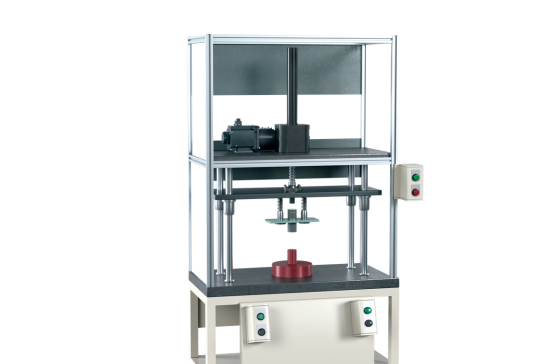 ProblemQuit air/hydraulic, othersIndustryMachine partsPurposeMove linearlyproductLinear Actuator
 -
Resolves misalignment that occurs on intermittent conveyors in packaging machines
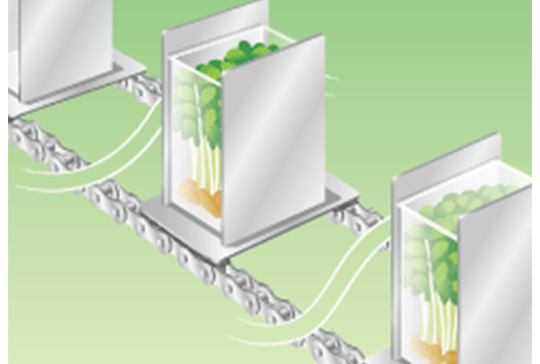 ProblemmaintenanceIndustryMachine partsPurposeTransportproductSmall size conveyor chain
 -
Switching from standard attachment chain to special attachment chain successfully reduces costs and delivery
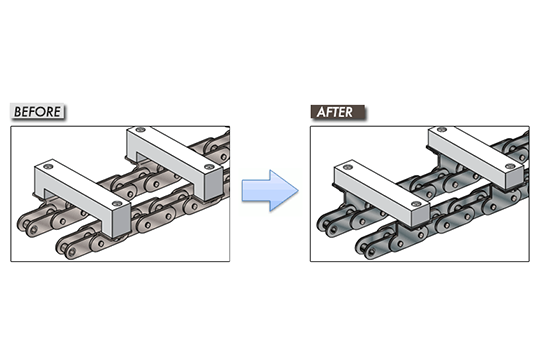 ProblemReduced man-hoursIndustryMachine partsPurposeTransportproductSmall size conveyor chain
 -
Chain and jig are integrated, eliminating the need for sheet metal processing and installation
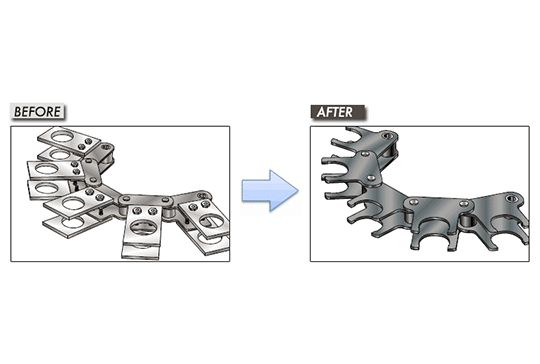 ProblemReduced man-hours and spaceIndustryMachine partsPurposeTransportproductSmall size conveyor chain
 -
Customized molded chain reduces flight installation labor
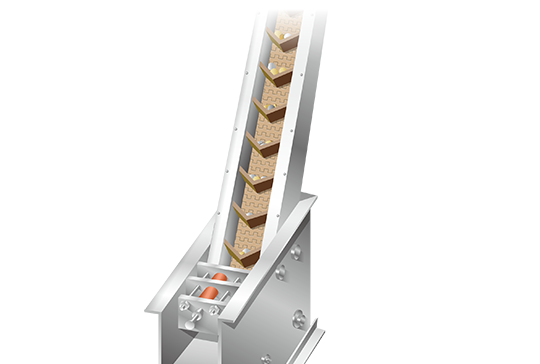 ProblemReduced man-hoursIndustryMachine partsPurposeTransportproductPlastic modular chain
 -
Replacing a belt conveyor that frequently slipped conveyed items to achieve stable conveyance
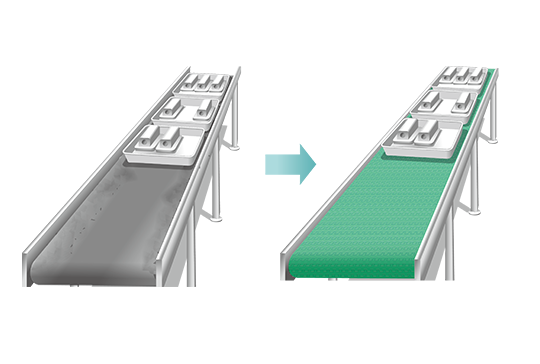 ProblemSlippageIndustryMachine partsPurposeTransportproductPlastic modular chain
 -
Replacing high-altitude belt conveyors reduces maintenance and replacement work hours
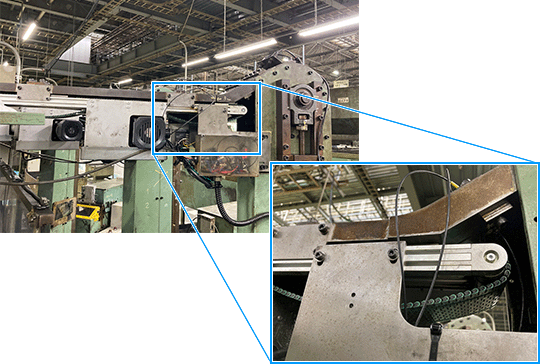 ProblemReduced man-hoursIndustryMachine partsPurposeTransportproductPlastic modular chain
 -
Adopted in the large plate-shaped workpiece reversal mechanism, contributing to high tact time
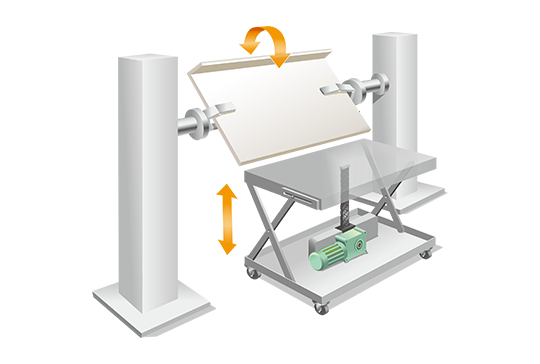 ProblemHigh speed and high frequencyIndustryMachine partsPurposeMove linearlyproductHigh-speed lifter
Solution Case Study for the same problem
-
Reduced maintenance work and downtime when replacing chains on casting equipment
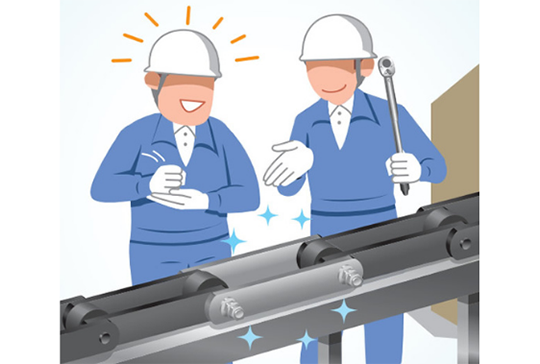 ProblemReduced man-hours, safety assurance, maintenanceIndustrySteel and non-ferrous metalsPurposeTransportproductLarge size conveyor chain
 -
Securely supports and protects the long cables of movable solar panels, reducing the risk of cable breakage
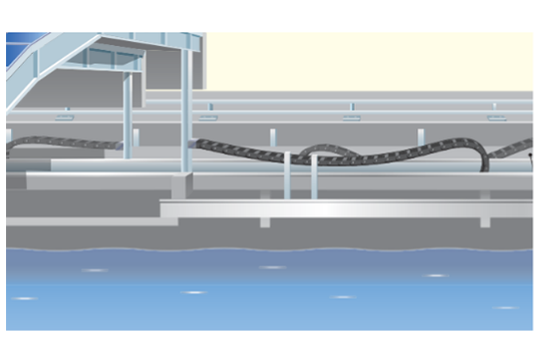 ProblemLong travel length, broken wireIndustryEnergyPurposeSupport and guideproductCable Carrier (CABLEVEYOR)
 -
Introducing a human conveyor into the engine installation process to reduce the risk of falls
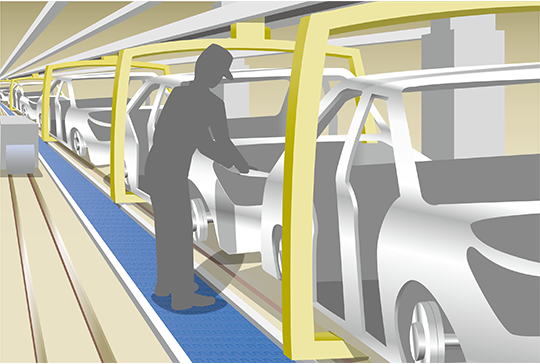 ProblemEnsuring safetyIndustryAutomotive industryPurposeTransportproductPlastic modular chain
 -
The drum rotation mechanism has been simplified, significantly reducing installation time.
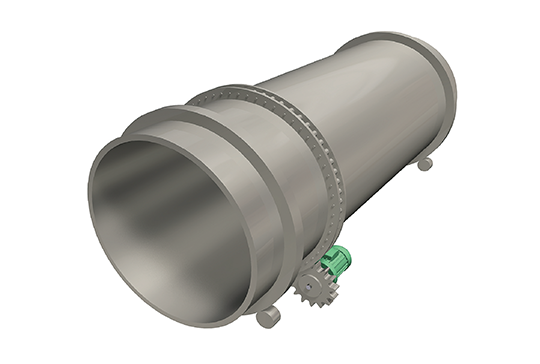 ProblemReduced man-hours, ensuring safetyIndustryFood/BeveragePurposeRotate and decelerateproductPin gear drive
 -
To prevent disconnection of various cables in injection molding machine removal robots
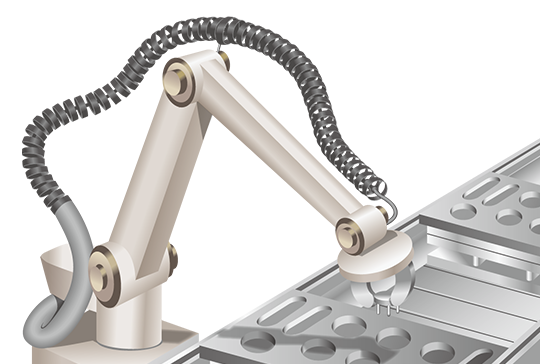 ProblemWear debris /dust generation, wire breakageIndustryAutomotive industryPurposeSupport and guideproductCable Carrier (CABLEVEYOR)
 -
Eliminates disconnections in various cables for building board robots, eliminating the need for replacement
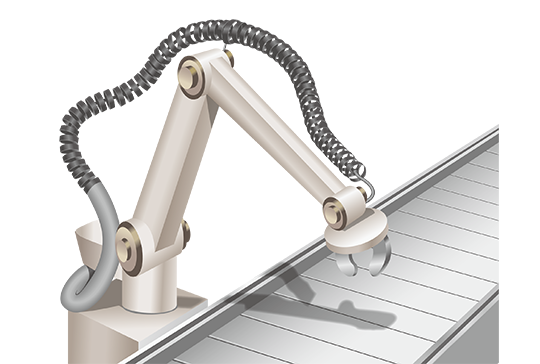 ProblemReduced man-hours, broken wiresIndustryResidential and OfficePurposeSupport and guideproductCable Carrier (CABLEVEYOR)
 -
For protecting cables of multi-axis robots in secondary battery manufacturing processes, which operate under harsh conditions
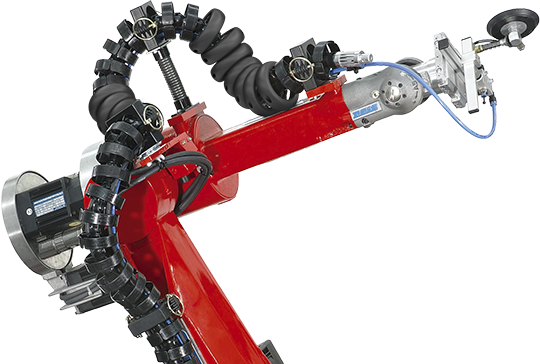 ProblemDisconnectionIndustrybatteryPurposeSupport and guideproductCable Carrier (CABLEVEYOR)
 -
The low-floor lifter enables automatic lifting to low shelves as well as high shelves.
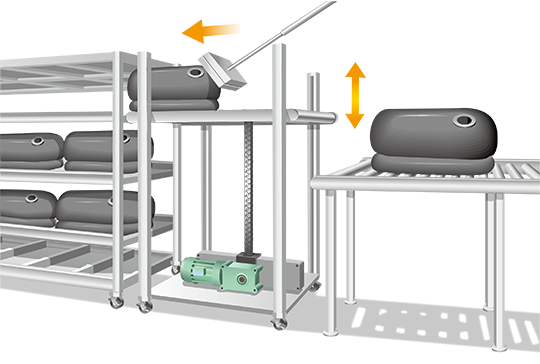 ProblemReduced man-hours, ensuring safetyIndustryAutomotive industryPurposeMove linearlyproductLinear Actuator