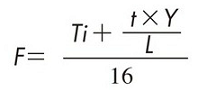
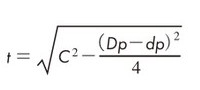
Q&A Synchronous Belts and Belt Sprockets
We have posted frequently asked questions from customers in Q&A format. Please click on the question to proceed to the answer.
Synchronous Belts
Words in Q&Aof
Tension meter
| Q42 | What is the measurable range? |
|---|---|
| Q43 | I would like to try it out before purchasing, but do you offer rentals? |
| Q44 | Can you proofread it? |
| Q45 | What is the appropriate calibration period? |
Belt clamp
| Q46 | What material is it made of? |
|---|---|
| Q47 | Can you manufacture custom-made products other than those listed in the catalog? |

| Q1 | Why is tension applied to Synchronous Belts when it is installed? | ||||||||||||||||||||||||||||||||||
|---|---|---|---|---|---|---|---|---|---|---|---|---|---|---|---|---|---|---|---|---|---|---|---|---|---|---|---|---|---|---|---|---|---|---|---|
| A1 |
In Synchronous Belts transmission, the pitch center line where the force acts is outside the tip of Belt Sprockets teeth, so transmission is possible by applying the appropriate tension. For normal power transmission applications, it is recommended that you set installation tension based on the recommended value listed in the catalog. Also, if positioning accuracy is important for your application, set the value higher, but not exceeding the maximum value listed in the catalog. If you set installation tension below the recommended value due to the load conditions or equipment conditions, please check that this does not increase vibration or noise, or cause problems with transmission such as skipped teeth. If installation tension is too high or too low, it may cause premature failure of Synchronous Belts. Back to Questions |
||||||||||||||||||||||||||||||||||
| Q2 | How to apply installation tension? | ||||||||||||||||||||||||||||||||||
| A2 |
It is preferable to adjust by moving one of the axes, but it is also possible to provide an idler for adjustment. As a general rule, the idler should be installed on the slack side of Synchronous Belts so that it can be fixed after adjustment. Back to Questions |
||||||||||||||||||||||||||||||||||
| Q3 | How do I check installation tension? | ||||||||||||||||||||||||||||||||||
| A3 |
 [Click to enlarge]
|
||||||||||||||||||||||||||||||||||
| Q4 | Where should installation tension be measured? | ||||||||||||||||||||||||||||||||||
| A4 |
For two shafts (two Belt Sprockets), measure at the center of the span. In the case of multiple axes (three or more Belt Sprockets /idlers), measure at the point with the longest span. This will allow for more stable measurements. Back to Questions |
||||||||||||||||||||||||||||||||||
| Q5 | What is the minimum installation tension? | ||||||||||||||||||||||||||||||||||
| A5 |
It is possible to reduce installation tension to a level where tooth skipping does not occur. The occurrence of tooth skipping varies depending on the operating conditions, so please check with the actual machine. Back to Questions |
||||||||||||||||||||||||||||||||||
| Q6 | Is Belt Sprockets alignment necessary? | ||||||||||||||||||||||||||||||||||
| A6 |
Even if Synchronous Belts Belt Sprockets is properly aligned, the timing belt does not run in the center of Belt Sprockets, but tends to lean to one side. Although this force is very weak, if Belt Sprockets is not properly aligned, it may run close to the edge of Belt Sprockets and be pressed hard against the guide flange, potentially damaging or cutting it. Also, the guide flange may fall off. Adjust Belt Sprockets alignment to within the tolerances in the table below.
■ Pulley adjustment method As shown in the figure, a straight edge is placed on the reference pulley, and the other pulleys are brought into contact with the entire surface of the straight edge (ε = 0), allowing the pulleys to be lined up in the correct position. In addition, by keeping δ in the figure below the limit, it is possible to simultaneously achieve parallelism of the axis.
|
||||||||||||||||||||||||||||||||||
| Q7 | What is Synchronous Belts stretch? | ||||||||||||||||||||||||||||||||||
| A7 |
There are two types of stretch that can occur in Synchronous Belts.
|
||||||||||||||||||||||||||||||||||
| Q8 | When does Synchronous Belts reach its end of life? | ||||||||||||||||||||||||||||||||||
| A8 |
In an improperly selected Synchronous Belts, tooth fabric wears and eventually the belt teeth fall off. Additionally, if the diameter of Belt Sprockets is small or if there are many bends in the multi-axis layout, the core wire may become fatigued due to bending and break. As shown above, Synchronous Belts reaches the end of its life when it loses its ability to accurately mesh with Belt Sprockets and transmit power. Inspect Synchronous Belts regularly, and if any abnormalities such as scratches are found on the exterior or tooth fabric is worn, replace it before the belt teeth are missing or Synchronous Belts breaks. Back to Questions |
||||||||||||||||||||||||||||||||||
| Q9 | Can you detect the end of Synchronous Belts 's life before it breaks? | ||||||||||||||||||||||||||||||||||
| A9 |
The end of life can manifest as vibrations or noise, but these can be subtle and difficult to detect in advance. Inspect Synchronous Belts regularly and if you notice any scratches or other abnormalities or wear on tooth fabric, replace it before the belt teeth are missing or broken. With the Tsubaki Ultra PX belt, wear on the tooth cloth can be easily confirmed by the exposed rubber, making it easy to determine when it needs to be replaced. Before use 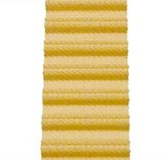
After use 
|
||||||||||||||||||||||||||||||||||
| Q10 | How long does Synchronous Belts last? | ||||||||||||||||||||||||||||||||||
| A10 |
Synchronous Belts are not made of metal and therefore do not have a fatigue limit. As they are used, fatigue and wear occur, eventually leading to breakage. Furthermore, since the durability period varies greatly depending on the conditions and layout of use, it is very difficult to determine when the lifespan will be reached. We recommend replacing the filter every 5 years at most, taking into account the aging of the material. Back to Questions |
||||||||||||||||||||||||||||||||||
| Q11 | Why are six or more meshing teeth required? | ||||||||||||||||||||||||||||||||||
| A11 |
Unlike metal chains or gears, Synchronous Belts teeth are made of rubber covered with nylon fabric, so they are not suitable for transmitting power with just one tooth; multiple teeth are required to support the load. If there are less than six teeth meshing with Belt Sprockets, the load per tooth will be large and may cause tooth chipping. If the number of meshing teeth is 5 or 4, please add the "meshing correction coefficient" listed in the catalog when making your selection. For drive pulleys, please consider using a minimum of six meshing teeth with a meshing angle of 120 degrees or greater. Back to Questions |
||||||||||||||||||||||||||||||||||
| Q12 | What do the colored parts in the kW ratings table in the catalog mean? | ||||||||||||||||||||||||||||||||||
| A12 |
This combination requires the small diameter pulley to rotate at high speed, which accelerates bending fatigue of the core wire inside Synchronous Belts and shortens its lifespan, so please avoid using it. Back to Questions |
||||||||||||||||||||||||||||||||||
| Q13 | What should I be careful of when using a servo motor? | ||||||||||||||||||||||||||||||||||
| A13 |
If Synchronous Belts circumferential speed is high, the following may occur:
When selecting Synchronous Belts, we recommend that you consider the torque based on the servo motor's characteristics. Back to Questions |
||||||||||||||||||||||||||||||||||
| Q14 | Is it possible to manufacture widths other than the standard widths listed in the catalog? | ||||||||||||||||||||||||||||||||||
| A14 |
We can manufacture belts with a certain width, so please contact our customer service or a retailer. Back to Questions |
||||||||||||||||||||||||||||||||||
| Q15 | What is the minimum width that can be produced? | ||||||||||||||||||||||||||||||||||
| A15 |
The guideline is 1.5 times the total height of Synchronous Belts, but this varies depending on the model, so please contact our customer service center or a dealer. Back to Questions |
||||||||||||||||||||||||||||||||||
| Q16 | Is it possible to manufacture belt lengths that are not listed in the catalog? | ||||||||||||||||||||||||||||||||||
| A16 |
Since endless Synchronous Belts are manufactured using molds, we cannot manufacture belt lengths that are not listed in the catalog. Back to Questions |
||||||||||||||||||||||||||||||||||
| Q17 | Is the "Ultra PX Belt HA Specification (Oil-Resistant/Water-Resistant)" effective against all types of oil? | ||||||||||||||||||||||||||||||||||
| A17 |
The oil resistance of the "Ultra PX Belt HA Specification (Oil/Water Resistant)" is based on the results of various tests conducted by our company using common lubricants and cutting oils, and therefore does not guarantee resistance to all types of oils or usage conditions. Please check the actual equipment or contact us to see if it is suitable for a particular oil type or operating conditions. Back to Questions |
||||||||||||||||||||||||||||||||||
| Q18 | Can it be used in an oily or wet environment? | ||||||||||||||||||||||||||||||||||
| A18 |
Generally, if oil or water gets on Synchronous Belts, it will swell and will not mesh with Belt Sprockets, causing a decrease in transmission capacity and early damage. In particular, timing belts cannot be used in oil or water. Our company offers the "Ultra PX Belt HA Specification (Oil-Resistant/Water-Resistant)" and "PX Belt Water-Resistant Specification" in our product lineup, which have enhanced durability in environments where oil and water are present in mist form. Back to Questions |
||||||||||||||||||||||||||||||||||
| Q19 | What is the ambient temperature at which Synchronous Belts can be used? | ||||||||||||||||||||||||||||||||||
| A19 |
Please use in a normal environment of -15℃ to 80℃. There are Synchronous Belts that can be used up to 90℃ under certain conditions. For details, please contact our customer service. Back to Questions |
||||||||||||||||||||||||||||||||||
| Q20 | Is it compatible with other companies' products? | ||||||||||||||||||||||||||||||||||
| A20 |
The "PX tooth profile" is our own unique tooth profile and is not compatible with other companies' tooth profiles, so please use it in combination with a Tsubaki Belt Sprockets. Back to Questions |
||||||||||||||||||||||||||||||||||
| Q21 | What should I be careful of before use? | ||||||||||||||||||||||||||||||||||
| A21 |
Important points to note are listed in the "Synchronous Belts Transmission" catalog. Please be sure to read the "Instruction Manual" page before use. Back to Questions |
||||||||||||||||||||||||||||||||||
| Q22 | What should I pay attention to when installing Synchronous Belts on Belt Sprockets? | ||||||||||||||||||||||||||||||||||
| A22 |
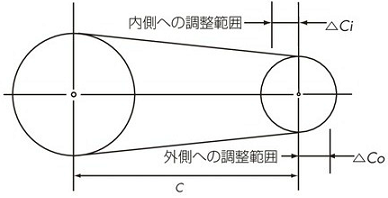
Synchronous Belts do not stretch even when force is applied. When installing on Belt Sprockets, move the pulley shaft and idler shaft before installing. Forcing Belt Sprockets over the guide flange may result in an accident, so please avoid doing so. In two-shaft transmissions that do not use idlers, provide some adjustment space for the distance between the shafts. ■ Adjust the distance between the two shafts
 [Click to enlarge] |
||||||||||||||||||||||||||||||||||
| Q23 | What should I be careful about when using Synchronous Belts? | ||||||||||||||||||||||||||||||||||
| A23 |
Use in a clean atmosphere. If Synchronous Belts and pulleys are to be used in a dusty environment where they may be exposed to large amounts of water, oil, or solvents, please cover them to protect them. In environments with high levels of moisture and oil in the air, the "Ultra PX Belt HA Specification (Oil-Resistant/Water-Resistant)" may be suitable, and in environments with high levels of moisture, the "PX Belt Water-Resistant" may be suitable, so please consider these options. Back to Questions |
||||||||||||||||||||||||||||||||||
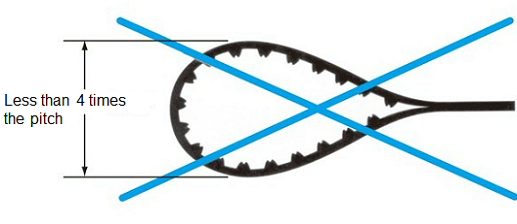
| Q24 | What precautions should I take when storing Synchronous Belts? | ||||||||||||||||||||||||||||||||||
| A24 |
|
||||||||||||||||||||||||||||||||||
| Q25 | What type of noise? | ||||||||||||||||||||||||||||||||||
| A25 |
Generally, it is as follows:
|
||||||||||||||||||||||||||||||||||
| Q26 | What can be done about noise? | ||||||||||||||||||||||||||||||||||
| A26 |
|
||||||||||||||||||||||||||||||||||
| Q27 | Does it comply with the RoHS directive? | ||||||||||||||||||||||||||||||||||
| A27 |
Compliant with the RoHS directive. Back to Questions |
||||||||||||||||||||||||||||||||||
| Q28 | What is the transmission efficiency of Synchronous Belts? | ||||||||||||||||||||||||||||||||||
| A28 |
The maximum is about 98%. Back to Questions |
||||||||||||||||||||||||||||||||||
| Q29 | Premature Synchronous Belts breakage | ||||||||||||||||||||||||||||||||||
| A29 |
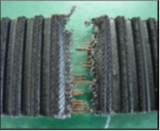
[Exterior features] The belt is cut parallel to the teeth, and the core wires are also cut short and even. [Probable cause]
[countermeasure]
■ Minimum number of pulley teeth when selecting an idler
Note: For speeds exceeding 3600 r/min, refer to the standard transmission capacity table. 
Inner idler 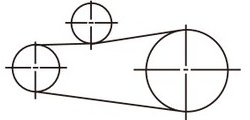
Outer idler |
||||||||||||||||||||||||||||||||||
| Q30 | Worn Synchronous Belts teeth | ||||||||||||||||||||||||||||||||||
| A30 |
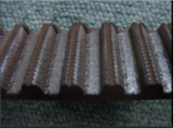

[Exterior features]
[Probable cause]
[countermeasure]
|
||||||||||||||||||||||||||||||||||
| Q31 | Synchronous Belts skipped teeth | ||||||||||||||||||||||||||||||||||
| A31 |
[Probable cause]
[countermeasure]
|
||||||||||||||||||||||||||||||||||
| Q32 | Synchronous Belts tooth shear failure | ||||||||||||||||||||||||||||||||||
| A32 |
[Exterior features]
[Probable cause] The suspected causes are the same as those for "Q30 Synchronous Belts tooth wear" and "Q31 Synchronous Belts tooth skipping." Continuing these conditions leads to shear fracture. [countermeasure] Please refer to the countermeasures for "Q30 Synchronous Belts tooth wear" and "Q31 Synchronous Belts tooth skipping" as they are the same. Back to Questions |
||||||||||||||||||||||||||||||||||
| Q33 | Synchronous Belts side wear and tear | ||||||||||||||||||||||||||||||||||
| A33 |
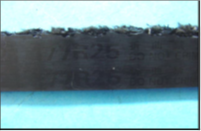
[Exterior features]
[Probable cause]
[countermeasure]
|
||||||||||||||||||||||||||||||||||
| Q34 | Vertical scratches on Synchronous Belts tooth surface | ||||||||||||||||||||||||||||||||||
| A34 |

[Exterior features]
[Probable cause]
[countermeasure]
|
||||||||||||||||||||||||||||||||||
| Q35 | Synchronous Belts partially cut | ||||||||||||||||||||||||||||||||||
| A35 |

[Exterior features]
[Probable cause]
[countermeasure]
|
||||||||||||||||||||||||||||||||||
| Q36 | Synchronous Belts swelling | ||||||||||||||||||||||||||||||||||
| A36 |

[Exterior features]
[Probable cause]
[countermeasure]
|
||||||||||||||||||||||||||||||||||
| Q37 | Apparent stretch of Synchronous Belts | ||||||||||||||||||||||||||||||||||
| A37 |
[Probable cause] The movement of the axes brings them closer together. [countermeasure] Secure the shaft firmly. Back to Questions |
||||||||||||||||||||||||||||||||||
| Q38 | Stickiness or softening of the rubber on the back of Synchronous Belts | ||||||||||||||||||||||||||||||||||
| A38 |
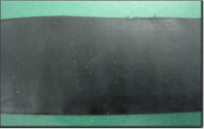
[Exterior features]
[Probable cause]
[countermeasure]
|
||||||||||||||||||||||||||||||||||
| Q39 | Synchronous Belts back rubber wear | ||||||||||||||||||||||||||||||||||
| A39 |
[Exterior features]
[Probable cause]
[countermeasure]
|
||||||||||||||||||||||||||||||||||
| Q40 | Cracks in the rubber behind Synchronous Belts | ||||||||||||||||||||||||||||||||||
| A40 |
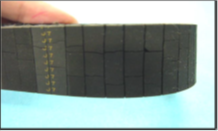
[Exterior features]
[Probable cause]
[countermeasure]
|
||||||||||||||||||||||||||||||||||
| Q41 | Belt Sprockets tooth wear | ||||||||||||||||||||||||||||||||||
| A41 |

[Exterior features]
[Probable cause]
[countermeasure]
|
||||||||||||||||||||||||||||||||||
| Q42 | What is the measurable range? | ||||||||||||||||||||||||||||||||||
| A42 |
Synchronous Belts vibration frequency for the BDTM101 is 30 to 600 Hz, and for the BDTM201 it is 10 to 5000 Hz. |
||||||||||||||||||||||||||||||||||
| Q43 | I would like to try it out before purchasing, but do you offer rentals? | ||||||||||||||||||||||||||||||||||
| A43 |
We are offering demo units for loan. Please contact our customer service for details. Back to Questions |
||||||||||||||||||||||||||||||||||
| Q44 | Can you proofread it? | ||||||||||||||||||||||||||||||||||
| A44 |
This service is available for a fee. Please inquire with a retailer that handles our products. Back to Questions |
||||||||||||||||||||||||||||||||||
| Q45 | What is the appropriate calibration period? | ||||||||||||||||||||||||||||||||||
| A45 |
Please set the calibration interval according to your own standards and judgment. Back to Questions |
||||||||||||||||||||||||||||||||||
| Q46 | What material is it made of? | ||||||||||||||||||||||||||||||||||
| A46 |
The aluminum alloy has been alumite finish. Back to Questions |
||||||||||||||||||||||||||||||||||
| Q47 | Can you manufacture custom-made products other than those listed in the catalog? | ||||||||||||||||||||||||||||||||||
| A47 |
We will consider whether it is possible to manufacture the product, so please contact a dealer that handles our products with your drawings attached. Back to Questions |
||||||||||||||||||||||||||||||||||