Handling of technical data chain
8. Precautions for use in special atmospheres
As a general rule, chains should be used in clean air, but if you are using them in a special atmosphere other than this, please refer to the following points.
8.1 In wet conditions
If the chain is exposed to water or passes through heated steam, the following problems may occur:
- 1. Increased wear elongation due to poor or no lubrication
- 2. Rust and corrosion (pitting corrosion) on the chain reduces fatigue strength
countermeasure
- - Larger chain size is used to reduce bearing pressure and improve wear resistance
- ・Environment-resistant chains are used to prevent rust.
8.2 When chemical reactions such as acid or alkali are involved
If the chain is exposed to an acidic or alkaline environment, such as battery acid or plating solution, the following problems may occur:
- 1. Brittle fracture of plates and pins
- 2. Fatigue failure of plates and pins due to rust and pitting corrosion
- 3. Normal mechanical and corrosive wear
- 4. Decrease in overall chain volume due to corrosion
- 5. Electrochemical corrosion in water (liquid) as a special case
- 6. Even stainless steel products may corrode depending on the conditions.
Figure 34 shows an example of a chain that was used in a plating device and became unusable after one month due to the effects of acid.
Countermeasures against brittle fracture (stress corrosion cracking)
- - Adoption of anti-brittle specifications that reduce crack susceptibility
- ・Install a cover or casing to prevent chemicals such as acids and alkalis from coming into contact with the chain.
- - Uses materials with excellent corrosion resistance
Corrosion prevention measures
- - Use of coated chain
- ・Install covers and casings to prevent acids and alkalis from coming into contact with the chain.
- - Uses materials with excellent corrosion resistance
Generally, brittle fracture (stress corrosion cracking) occurs from the hole in the plate.
This is because the stress is high where the pins and bushings are press fit in, and cracks can occur even when there is no tension on the chain.
Chains are generally more susceptible to acid corrosion than alkali corrosion, and in special cases, they can also be corroded by seawater and mine water.
It may cause brittle fracture (stress corrosion cracking).
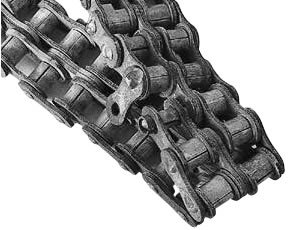
Figure 34. Corrosion of stainless steel chain

Figure 35. Hydrogen embrittlement fracture
8.3 Atmospheres that promote wear
If the chain comes into contact with sand, coke, metal powder, or other substances that accelerate wear, the following problems will occur:
- 1. If it gets caught between the pin and bushing, it will accelerate wear on the pin and bushing and cause poor bending.
- 2. If it gets between the bush and roller, it will accelerate wear on the bush and roller and cause the roller to not rotate properly.
- 3. If it gets stuck between links, bending failure will occur.
Corrosion prevention measures
- - Dustproof case
- - Regularly clean the chain to remove foreign matter
- -Large chain size is used to reduce bearing pressure and improve wear resistance
- ・Use of chain with specially processed wear areas